![200+] Boruto Wallpapers | Wallpapers.com](https://wallpapers.com/images/hd/adult-boruto-lvh5yjc66lggb7by.jpg)
The Boruto franchise has reached one of its most defining phases with Boruto: Two Blue Vortex, particularly chapters 11 and 14. These installments did not simply advance the storyline; they reshaped conversations across anime fandom spaces, from casual readers to long-time Naruto loyalists. In a media landscape where anime fandom culture thrives on immediacy and interpretation, these chapters became focal points for debate, speculation, and cultural reflection.
As Boruto continues its monthly serialization, chapters 11 and 14 remain reference points—frequently cited, dissected, and revisited by fans. Their impact stretches beyond narrative progression, influencing anime fan theories, social media engagement, and the broader perception of Boruto’s place within the Naruto legacy.
Official Updates on Boruto Blue Vortex Chapters
Boruto: Two Blue Vortex is serialized monthly in V Jump, marking a post–time skip era that repositions Boruto Uzumaki as a more mature, battle-hardened protagonist. Chapter 11 was released in June 2024 and immediately stood out due to its large-scale destruction, rapid power escalation, and emotional stakes. Chapter 14 followed in September 2024, further expanding the central conflict involving Shinju clones and the vulnerability of the Hidden Leaf Village.
Both chapters were distributed globally through official platforms such as Manga Plus and Viz Media, reinforcing Shueisha’s approach to simultaneous international releases. According to available publication updates, the series continued beyond these chapters without interruption, signaling editorial confidence in the manga’s direction.
Key Highlights from Chapters
| Chapter | Release Period | Narrative Focus | Fan Reception |
| Chapter 11 | June 2024 | Himawari’s tailed beast power, Jura confrontation, large-scale destruction | Widely praised for intensity and power scaling |
| Chapter 14 | September 2024 | Shinju clone developments, Boruto’s missions, village defense | Mixed reactions: strong intrigue, pacing debates |
Chapter 11 is often described within fandom discussions as a “reset moment” for Boruto’s reputation, while chapter 14 reinforced long-term plot threads that signal sustained conflict rather than short-term spectacle.
Social Media Reactions Across Anime Fandom
The immediate aftermath of chapters 11 and 14 was most visible on social platforms. On X (formerly Twitter), Reddit, and YouTube, reactions surfaced within minutes of release. Fans shared panel screenshots, theory threads, and reaction videos that collectively shaped the public narrative around these chapters.
(embed here social/insa/gb/tweeter post)
https://x.com/NARUTO_info_en/status/1836344424705724436
Reddit’s r/Boruto subreddit emerged as a central hub, particularly during chapter 11’s release window. Users praised the visual scale of destruction and Himawari’s regeneration abilities, calling the chapter one of the manga’s most visually impactful moments to date. Chapter 14, meanwhile, generated extensive spoiler discussions, with some threads surpassing thousands of comments.
Trending hashtags such as #BorutoBlueVortex, #BorutoTwoBlueVortex, and #BorutoManga gained traction across Instagram, TikTok, and X. While these platforms differ in format, they collectively reflected a similar pattern: excitement over action sequences, curiosity about long-term plot implications, and renewed emotional investment.
On short-form platforms, fan edits and panel breakdowns gained popularity, highlighting how anime fandom culture increasingly blends critique with creative participation rather than separating the two.
Fan Theories and Narrative Speculation
Few chapters in recent Boruto history have sparked as many anime fan theories as chapters 11 and 14. The ambiguity embedded in character actions and power reveals encouraged fans to fill narrative gaps collectively, turning speculation into a core part of the reading experience.
Most Discussed Fan Theories
| Rank | Theory | Supporting Evidence |
| One | Himawari fully inherits Kurama’s chakra | Demonstrated ability to use bijuu techniques without transformation |
| Two | Hidari lacks Sasuke’s complete memories | Skill limitations suggest partial inheritance |
| Three | Boruto’s Flying Raijin mastery | Rapid battlefield arrivals and precision rescues |
| Four | Jura’s interest in Himawari signals Shinju evolution | Repeated focus on her chakra output |
Among these, Himawari-centered theories dominated discussions, accounting for the majority of speculative threads following chapter 11. Fans interpreted her performance as a symbolic passing of generational power, aligning with Boruto’s broader thematic shift.
(embed youtube video here)
https://www.youtube.com/watch?v=YhK-_-TQ_iw
Community sentiment leaned largely positive, with enthusiasm focused on action clarity and character relevance. However, critiques emerged regarding delayed reveals—particularly around Sarada—showing that fandom engagement remains both celebratory and critical.
Anime Fandom Community Impact
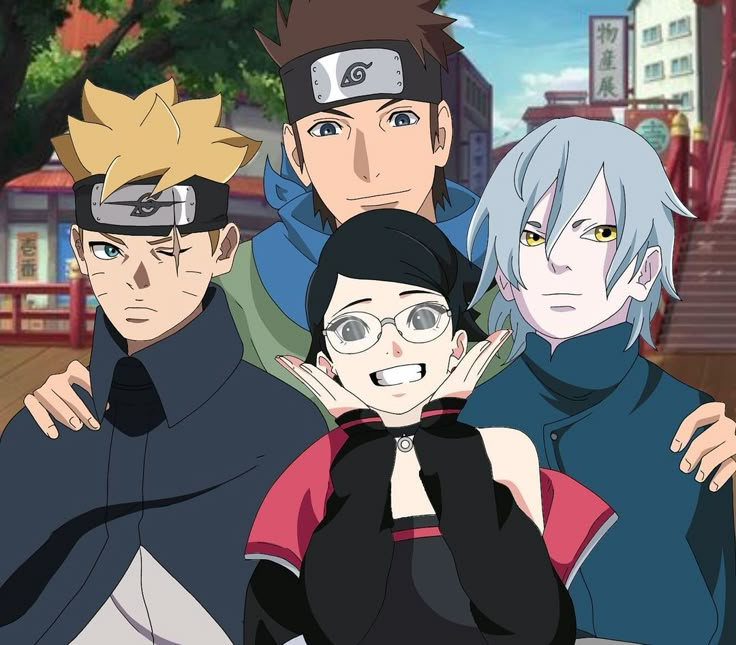
Beyond individual chapters, the response to Two Blue Vortex reflects deeper changes in anime fandom communities. Historically divided opinions around Boruto softened as these chapters reframed the series’ stakes and tone. Online engagement metrics, including fan art output and cosplay visibility, saw noticeable increases during release periods.
At the same time, discourse became more polarized. While many fans praised Boruto’s narrative maturity, others voiced frustration over pacing and unresolved plotlines. This duality highlights a defining feature of modern anime fandom culture: sustained engagement thrives on disagreement as much as consensus.
The Boruto fandom’s behavior mirrors broader patterns observed across anime communities, where serialized storytelling encourages cyclical waves of hype, critique, and reinterpretation. Discussions frequently extended beyond Boruto itself, drawing comparisons with other long-running series and reinforcing Boruto’s position within larger anime debates.
For insight into how fan speculation shapes anime narratives at large, broader analysis is explored through CBR’s examination of anime fan theories.
The Continuing Role of Anime Fan Culture
Chapters 11 and 14 underscore how anime fan culture now functions as an interpretive ecosystem rather than a passive audience. Fans do not merely react—they archive panels, track narrative patterns, and construct long-term expectations that influence collective perception.
Reference platforms such as Wikipedia’s Boruto overview and educational archives like the Brooklyn Public Library illustrate how anime series evolve alongside their audiences, shaped by cultural participation as much as editorial direction.
As Boruto: Two Blue Vortex advances beyond these chapters, its reception will likely continue to reflect the growing power of anime fandom communities—spaces where storytelling, speculation, and cultural identity intersect.
Disclaimer
This article is intended solely for informational and educational purposes. All manga content, characters, and imagery referenced remain the intellectual property of their respective copyright holders. Readers are encouraged to support official releases through authorized platforms.